Provider

Conifer is developing an AI platform built on Google Cloud that will be fully integrated into the company's revenue cycle management workflows.

Musk predicts that Optimus will perform complex surgeries with unprecedented precision and make the best medical care accessible to everyone.

As AI summaries bury providers in online search results, Ann Bilyew, WebMD Ignite president, discusses how health systems can fight back by creating rich, personalized digital hubs that drive trust, relevance and patient engagement.

Carrot’s Sprints members will have access to sleep, stress, activity and glucose data from Oura and Dexcom, along with clinical guidance to support metabolic fertility care.
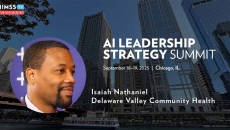
Delaware Valley Community Health SVP and CIO Isaiah Nathaniel says that, after achieving AI successes in operations and revenue cycle, he wants to deploy AI to improve clinician productivity and provide better patient experiences.
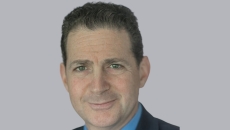
Dr. Zimlichman, who is also the co-chairman of Future of Health, discusses the organization's global collaboration to reshape care and the need for responsible use of AI in healthcare.
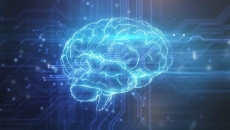
ALS patient Brad Smith is the third person among 12 worldwide to have received Neuralink's brain-computer implant.
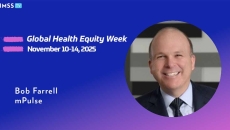
According to Bob Farrell, mPulse CEO, AI-generated outreach messaging like fotonovelas, videos and texts in patients' preferred languages encourages treatment adherence and improves health outcomes.

Ernst & Young's Kim Dalla Torre offers a fresh look at artificial intelligence in healthcare, the biggest ROI and adoption gains in telehealth and remote patient monitoring, closing health disparities, and compliance and cybersecurity.

The partners aim to develop AI-powered, real-time, personalized brain-computer interface therapies for neurological disorders.