Provider

In the third installment of this three-part series, clinical and IT leaders from the New Jersey health system discuss how its virtual acute care program is now enabling new innovations at its brick-and-mortar hospitals.
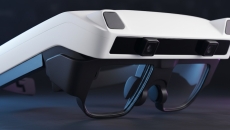
The SnkeXR augmented reality glasses are designed for clinical use and include tools and an open platform to help companies bring AR technology into healthcare workflows.

HIMSS' Rob Havasy and PMI's Karla Eidem predict that partnerships will be key around the world to making healthcare AI sustainable through sharing costs, resources and lessons learned.

The partnership allows Sleep Cycle users to access Dreem Health’s network of sleep specialists for evaluation and treatment of sleep disorders directly through the app.

Calm users identified as needing high-acuity mental healthcare will be connected with LifeStance’s virtual behavioral health specialists.

Chris Kunney of IOTech Consulting says that chief AI officers must unite clinicians, C-suite leaders, IT teams and frontline staff to understand and use AI to drive innovation and enhance care delivery.

The AI voice tool maker will power WellSky’s AI ambient listening to generate clinical notes within its EHR for behavioral health, long-term acute care and rehab facilities.

Dr. Srinivasan Suresh says the hospital implements AI tools slowly and responsibly, and only if they are brought forth by a clinician, which ensures they meet real clinical needs and can secure staff buy-in.

Eli Lilly and Company says the partnership will result in the development of the most powerful supercomputer owned by a pharmaceutical company.

Veradigm's Courtney Yeakel discusses what payers, health systems and others need to know about compliance with CMS' Interoperability and Prior Authorization Final Rule, which takes effect January 1, 2026.