Videos
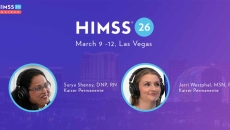
Kaiser Permanente's Surya Shenoy and Jerri Westphal say that intelligent AI agents can help provide patient education and post-discharge support, but stress that nurses must guide content creation to avoid misinformation.

Anne Snowdon, HIMSS' chief scientific research officer, cautions that AI tools won't improve operations or care delivery unless the technology fits into existing workflows; clinicians and staff must also be trained in their use.

AI, cybersecurity and digital health discussions abound at the HIMSS26 preconference forums. Take a look at the highlights and catch conversations with industry thought leaders.
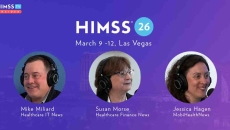
Discussions during HIMSS26's first day included advice for deploying AI in a responsible, human-centered way and questions about whether federal regulation can keep up with the pace of AI innovation.

General Catalyst's Dr. Stephen Klasko says he's launched a medical education program that integrates AI and data literacy and chooses students based on communication skills, empathy and cultural competence rather than test scores.

Hal Wolf, HIMSS president and CEO, says HIMSS helps leaders assess their AI readiness with the AMAM maturity model before deploying AI and offers neutral guidance on governance and implementing AI tools responsibly.
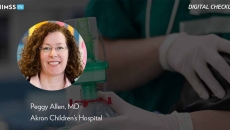
At Akron Children's Hospital, Dr. Peggy Allen says clinicians leverage technology such as smartphones, ambient listening AI and smart medication-dosing tools within EHRs to provide personalized care and build trust with patients.

Mount Sinai Health System, Nvidia and ARC Innovation Center leaders describe how their collaboration aims to decode the human genome using AI in order to more precisely predict disease risk and understand individual therapy response.
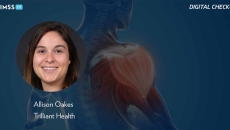
As CMS removes procedures from its Inpatient-Only (IPO) list, Allison Oakes, Trilliant's chief research officer, recommends that hospitals establish a clear outpatient strategy to avoid losing the income these procedures bring.
Dr. Thomas Keane of ASTP/ONC discusses the agency's initiative that is piloting programs in nine states to ensure that behavioral health data can flow securely between providers, vocational programs and housing authorities.