Videos

As AI summaries bury providers in online search results, Ann Bilyew, WebMD Ignite president, discusses how health systems can fight back by creating rich, personalized digital hubs that drive trust, relevance and patient engagement.
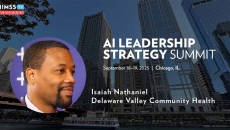
Delaware Valley Community Health SVP and CIO Isaiah Nathaniel says that, after achieving AI successes in operations and revenue cycle, he wants to deploy AI to improve clinician productivity and provide better patient experiences.
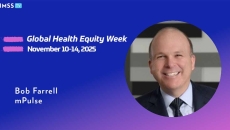
According to Bob Farrell, mPulse CEO, AI-generated outreach messaging like fotonovelas, videos and texts in patients' preferred languages encourages treatment adherence and improves health outcomes.
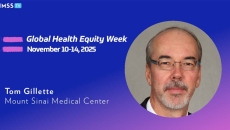
Tom Gillette, Mount Sinai Medical Center's CIO, discusses how Spanish-language AI, predictive models and remote patient monitoring are boosting patient engagement and care access for its diverse South Florida community.

As more than 25 new healthcare AI laws take effect, the National Conference of State Legislatures' Sarah Jaromin says the agency provides information to state leaders about how other states are handling topics like AI use in payer decisions.

Government regulation can slow health systems' AI progress; Ed Marx, Marx Advisory CEO, says showing policymakers AI's real-world benefits in person can help them understand its value more than traditional lobbying.

Lisa Suennen, managing partner at American Heart Association Ventures, and Ruby Gadelrab, CEO and founder of MDisrupt, explores next steps after AHA's $1 million milestone investment into MDisrupt, including plans to co-develop a platform.

Dr. Daniela Carvalho, pediatric otolaryngologist at Rady Children's Health in San Diego, shares insights on performing California's first pediatric Nucleus Nexa cochlear implant and what this means for the future of pediatric hearing care.
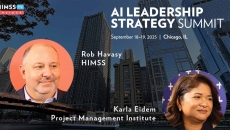
HIMSS' Rob Havasy and PMI's Karla Eidem predict that partnerships will be key around the world to making healthcare AI sustainable through sharing costs, resources and lessons learned.
Chris Kunney of IOTech Consulting says that chief AI officers must unite clinicians, C-suite leaders, IT teams and frontline staff to understand and use AI to drive innovation and enhance care delivery.