artificial intelligence
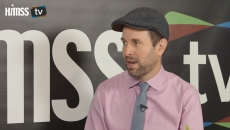
Journalist James Vlahos, contributor to Wired and other magazines, describes how Dadbot turned an oral history recorded with his terminally ill father into a conversational chatbot offering a sort of "digital afterlife."

Livongo CEO Zane Burke details how his company is using artificial intelligence to make care more personal from both the clinical and consumer perspective.

There is growing enthusiasm for healthcare chatbots across both sides of the aisle, says Dr. Phil Marshall, chief product officer at Conversa Health.

Andrew Rebhan, consultant at The Advisory Board, discusses new advances in artificial intelligence, biopsychosocial IT, internet of things, 3D printing, augmented reality and more.

Automating machine learning and artificial intelligence improves the speed and accuracy of predictive models, says DataRobot GM of Healthcare Colleen Greene.

AI has moved beyond its status as a novel technology with exciting potential use cases to one that is helping solve real-world issues and improving patient outcomes, says Todd Schlesinger, VP of business development at Jvion.

GE Healthcare's Karley Yoder offers a preview of how the organization's new Edison platform will improve workflow, clinical insight and patient satisfaction.

While AI can help with recognizing patterns and diagnosis, physicians still need to use clinical judgment and manage the patient as a person, says Colin Tan, associate professor of ophthalmology at Duke NUS Medical School.
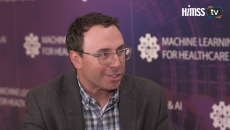
Leonard D'Avolio, founder and CEO of Cyft, says machine learning can help organizations learn from data more quickly and intuitively.

Partners HealthCare Pivot Labs is enabling collaboration between hospitals, health systems and other stakeholders such as big tech and pharma, says digital health scientist Dr. Sujay Kakarmath.