cybersecurity
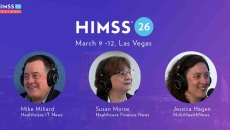
Editors from MobiHealthNews, Healthcare Finance News and Healthcare IT News review the sessions and keynotes they covered during the second official day of HIMSS26 as well as what they were looking forward to seeing on the final day of the conference.
AI, cybersecurity and digital health discussions abound at the HIMSS26 preconference forums. Take a look at the highlights and catch conversations with industry thought leaders.
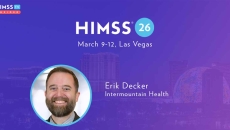
Intermountain Health CISO Erik Decker talks about the SMART toolkit, which identifies critical healthcare functions so leaders can plan ways to keep their organizations running in case of cyberattacks.

According to Clearwater's Jackie Mattingly, sustainable cybersecurity funding for rural hospitals remains elusive, with many states allocating little to no Rural Health Transformation Program money to security.
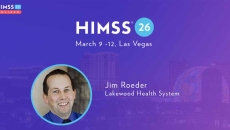
Lakewood Health System's Jim Roeder says building regional alliances enables rural hospitals to share expertise, strengthen defenses and keep care available when cyber incidents happen.

Eric Jimenez, Artesia General Hospital CIO, says the hospital first deployed AI to protect its network after a cyber incident. It expanded to ambient listening and is now seeking to use AI for clinical applications.

While HIMSS Media editors anticipate that AI will be used in every layer of healthcare's tech stack in 2026, they stress that governance and human oversight are essential to ensure AI works safely at scale.

According to Barrett Loveless, infrastructure director at the PET Imaging Institute, EDR (endpoint detection and response) tools, combined with expert monitoring, have kept the institute breach-free for a decade.

During the HIMSS Cybersecurity Forum, Dr. Xiaoqian Jiang of the University of Texas Health Science Center at Houston said removing patient identifiers does not always make data anonymous.

Dream Sight monitors a baby's pulse rate, oxygen level, and sleep and wellness trends.