Workforce
Executives pointed to faster-than-expected AI adoption in healthcare, shifting regulatory signals and growing demand for AI tools that deliver measurable outcomes.
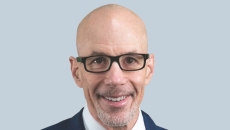
Stephen Klasko, executive in residence at General Catalyst, shares how AI, innovation, economic realities and revamped medical training will shape healthcare and longevity.

Dr. Lucie Opatrny, president and CEO of McGill University Health Centre, discusses how one of the largest academic health networks in North America implements healthcare technologies.
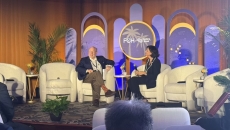
During a panel, Walensky and Chip Kahn, CEO of Federation of American Hospitals, discussed current policies they say are negatively impacting the healthcare sector.
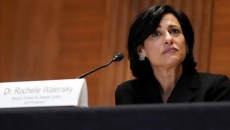
At Future of Health’s invitation-only event, former CDC Director Dr. Rochelle Walensky sat down with MobiHealthNews to discuss the potential and challenges of AI in healthcare.
Dr. Srinivasan Suresh says the hospital implements AI tools slowly and responsibly, and only if they are brought forth by a clinician, which ensures they meet real clinical needs and can secure staff buy-in.

Creating strong healthcare IT teams, according to Dr. Jonathan Sternlieb, Epic Emeritus CMIO, comes from being willing to learn from others and from building communication, trust and respect with colleagues.
Rochester Regional Health's Dr. Everett Weiss says it is essential that everyone in your organization understands "what is our why" for using the technology, how it is helping them work more efficiently and how it is good for patients.

Jessica Potts, workforce strategy and operations director at SSM Health, says scheduling and staffing technologies are changing nurse managers' day-to-day tasks.
According to Dr. R. Ryan Sadeghian, healthcare AI thrives best on small, steady successes in areas like ambient documentation where clinician trust and workflow fit matter more than having the latest model.