Workflow
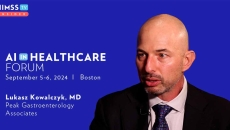
Dr. Lukasz Kowalczyk, a physician at Colorado-based Peak Gastroenterology Associates, discusses the need for a multidisciplinary strategy for AI adoption - and building a clinically valuable algorithm while ensuring ethical use.
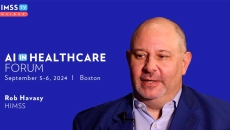
Rob Havasy, senior director of the thought advisory group at HIMSS, relays how AI technology is maturing, including people's understanding of the technology and the processes organizations are putting in place to overcome past shortcomings.
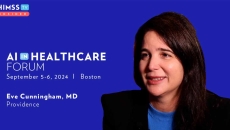
Dr. Eve Cunningham, chief of virtual care and digital health at Providence, discusses clinician response to AI, promoting education and engagement within the healthcare workforce and how AI can help providers stay current on patient care.

Organizations need to ask how they can secure their use of AI technologies, use AI to secure the organization better and defend against AI-driven attacks, says Dave Heaney, chief information security officer at Mass General Brigham.

Dr Alexander Ryu, vice chair of Innovation and AI at Mayo Clinic, reveals best practices in planning and integrating AI into clinical practice.

Digital health companies need to think about what will happen 10 to 15 years from now to create strategies that ensure growth and longevity, says Dr. Guido Giunti, adjunct professor of digital health at the University of Oulu in Finland.

An automated electronic PA process uses FHIR interoperability for greater efficiency, says Greg LeGrow, executive director of payer product market strategy at athenahealth and Mark Fleming, senior director of product at Availity.

Tom Stanis, CEO and cofounder of Story Health, relays how the company's technology has helped it establish partnerships with health systems to improve access to care and ease virtual specialty-care delivery and provider workload.

Also, PenCS has launched a new stroke functionality.
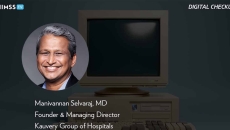
Kauvery Hospital founder Dr Manivannan Selvaraj recalls how their hospital embarked on a digital transformation over two decades ago.