Public Policy

While HIMSS Media editors anticipate that AI will be used in every layer of healthcare's tech stack in 2026, they stress that governance and human oversight are essential to ensure AI works safely at scale.

All 50 states were awarded funding to launch their proposals to achieve sustainable rural healthcare over a 10-year timeframe. See how much each stated received.

The extension allows providers to continue remotely prescribing Schedule II–V controlled substances under specific conditions to prevent a disruptive "telemedicine cliff."

The proposed class action lawsuit against the San Diego-based health system alleges that a patient's medical visit was recorded using Abridge without his consent, violating California privacy laws.

In the best case scenario, hospitals “are getting 20% less than the lowest workman’s comp fee schedule in the country,” says Zachary Schultz of EnableComp.

HIMSS Media editors discuss 2025 healthcare trends, including a shift toward mature AI use cases, scrutiny about ROI and regulation gaps as executives wrestle with choosing vendor partners and implementing AI tools.
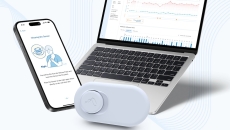
AeviceMD says it has yet to conduct pilot deployments, which would focus on incorporating respiratory monitoring into outpatient asthma management pathways.
Executives pointed to faster-than-expected AI adoption in healthcare, shifting regulatory signals and growing demand for AI tools that deliver measurable outcomes.

Dr. Doug Fridsma, former ONC chief science officer and current CMIO at Health Universe, discusses the challenges of AI in healthcare and balancing innovation with privacy, safety and regulation.

The executive order says it revokes attempts to paralyze the AI industry and establishes an AI Litigation Task Force to challenge state AI laws inconsistent with national policy.