Public Policy

Hal Wolf, HIMSS CEO, and Dr. Mehmet Oz, CMS administrator, talk about how using digital tools, including AI agents, can help Americans manage their own care and stay healthier longer, potentially unlocking massive economic gains.

At HIMSS26, leaders from the agency's Fraud Defense Operations Center discussed how the initiative is helping detect fraud in real time.
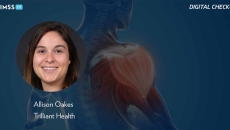
As CMS removes procedures from its Inpatient-Only (IPO) list, Allison Oakes, Trilliant's chief research officer, recommends that hospitals establish a clear outpatient strategy to avoid losing the income these procedures bring.
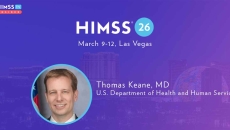
Dr. Thomas Keane of ASTP/ONC discusses the agency's initiative that is piloting programs in nine states to ensure that behavioral health data can flow securely between providers, vocational programs and housing authorities.

Aneesh Chopra, the first chief technology officer of the United States appointed by President Barack Obama and currently the chair of the Arcadia Institute, discusses how AI regulation has evolved through different presidential administrations.
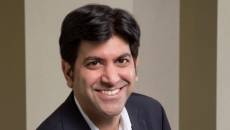
The first CTO of the U.S. discusses why he is bullish on AI's potential to enhance healthcare productivity, boost drug discovery and advance value-based care.

A strong MFN law could be a meaningful step toward bringing U.S. prices in line with those paid by other high-income countries, says Patients for Affordable Drugs Now.

Ovatient CEO Michael Dalton recommends that states use Rural Health Transformation Program money to move beyond hospital-centric care models and supplement local health services with virtual-first primary and specialty care.
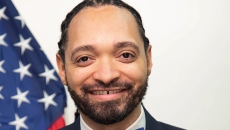
Ryan M. Harrison of the CDC joins MobiHealthNews to preview his upcoming HIMSS26 talk where he'll discuss how the agency’s Technical Reference Architecture accelerates digital transformation across federal public health systems.

Revenue growth will come from clinical outcomes versus document mechanics, says Steve Mongelli, president at mPulse.