Population and Public Health

Day 3 of HIMSS26 featured Dr. Mehmet Oz and other CMS leaders discussing how AI and digital technologies are poised to improve Americans' health as well as actor Jeremy Renner sharing his powerful story of recovery, care and healing.

Hal Wolf, HIMSS CEO, and Dr. Mehmet Oz, CMS administrator, talk about how using digital tools, including AI agents, can help Americans manage their own care and stay healthier longer, potentially unlocking massive economic gains.

HIMSS Changemaker Awardee Farhana Alarakhiya discusses Afya Gemma, an AI-powered tool that provides best practice protocols with local context in English or Swahili for Kenyan doctors practicing in remote clinics.

Discussions during HIMSS26's first day included advice for deploying AI in a responsible, human-centered way and questions about whether federal regulation can keep up with the pace of AI innovation.

Ovatient CEO Michael Dalton recommends that states use Rural Health Transformation Program money to move beyond hospital-centric care models and supplement local health services with virtual-first primary and specialty care.

Physicians tell Dr. Amy Bucher they feel a sense of empowerment in being able to offer patients something that, along with lifestyle changes, reduces weight, lowers the risk of diabetes and high blood pressure, and helps prevent other chronic conditions.

Shlomi Madar, CEO of SpotitEarly, discusses the company's noninvasive test using a breath sample, which is analyzed by specially trained dogs capable of identifying unique cancer-related scent signatures combined with AI technology.

When a small practice suffers a cyberattack, recovery costs may force closures that leave communities without local care options, according to All Covered's Danielle Morrison.

For his upcoming HIMSS26 presentation, ChristianaCare's Greg O'Neill discusses how practical tools like plain language, pictograms, multilingual translation and tailored discharge instructions can boost medication compliance.
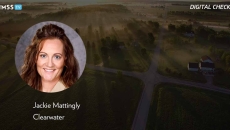
According to Clearwater's Jackie Mattingly, sustainable cybersecurity funding for rural hospitals remains elusive, with many states allocating little to no Rural Health Transformation Program money to security.